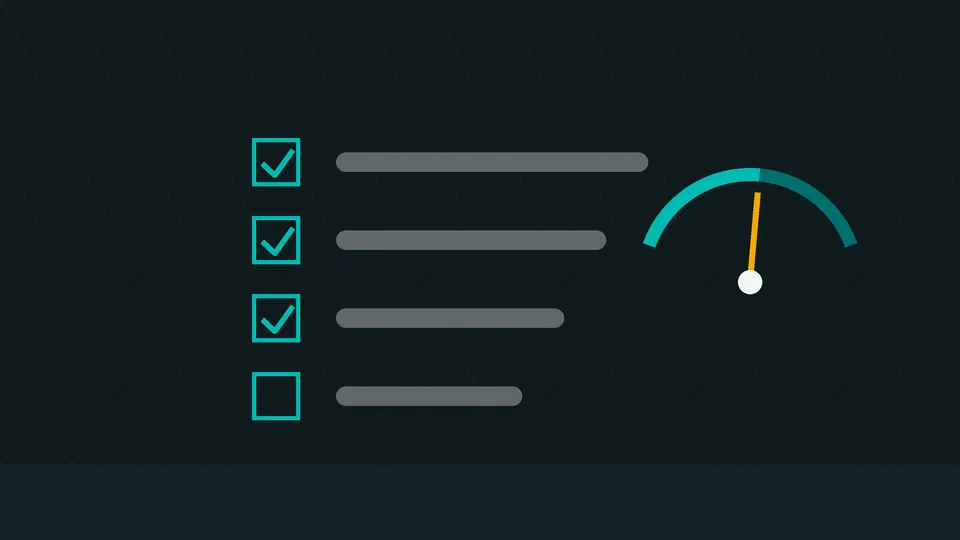
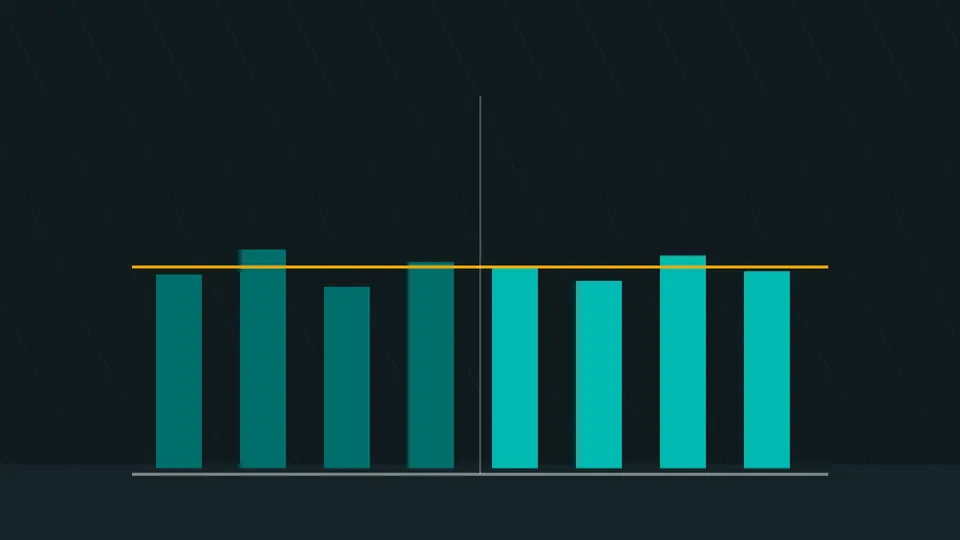
If you want to know whether anything changes a vehicle’s fuel use, whether that is a repair, a new set of tires or a product such as ECO MIZER, you need a measurement you can trust. The method below needs no equipment beyond a notebook, and it is the same one fleets and fuel-economy guidance use in principle: record what you put in and how far you went, and compare like with like.
The full-tank method
- Fill the tank completely at the pump, stopping at the first automatic click. Write down the odometer reading, or reset the trip meter to zero.
- Drive as you normally do until the tank is well down.
- Fill it completely again, at the same pump if you can and in the same way. Write down the liters added and the distance driven since the last fill.
- Calculate the consumption in liters per 100 km: liters added ÷ kilometers driven × 100.
As an illustration of the arithmetic only: 40 liters added after 500 km is 40 ÷ 500 × 100 = 8 liters per 100 km. The numbers are an example of the method, not a typical result for any vehicle.
One tank is not enough
A single tank is affected by the route, the weather, the load and exactly where the pump stopped. Differences between two tanks of the same vehicle driven the same way are normal. So:
- record at least three to five tankfuls before the change, and the same number after it;
- compare the averages, and look at how far individual tanks vary. If the tank-to-tank variation is as big as the difference between before and after, the measurement cannot tell you much yet.
Keep the conditions the same
A comparison is only fair when the things you are not testing stay put:
- Same vehicle, same driver if possible.
- Similar routes and traffic. City and highway mileage are very different; compare city with city.
- Similar load, including passengers, cargo and roof racks.
- Tire pressure checked and kept at the specified level.
- Similar season. Hot and cooler months, and air conditioner use, change consumption. Do not compare July with January.
- Nothing else changed at the same time: no service, repair or new tires in the middle of the test period.
- The same fuel grade and, as far as possible, the same stations.
For fleets and equipment
For work vehicles, use fuel records you already keep (fuel cards, delivery logs, hour meters on equipment) and compare like duty with like duty. For machinery that is measured in hours rather than kilometers, use liters per hour for a defined task, and keep the task the same.
Be careful with the instruments
The vehicle’s on-board fuel display is a useful guide but it is an estimate. The full-tank method uses the pump’s own measurement and the odometer, which are easier to check. Make sure the odometer is not affected by a change in tire size.
What a good result looks like
An honest comparison states how many tanks were recorded, the conditions, the average before and after, and the spread. If the result is inside the normal variation, the honest conclusion is that no difference could be shown. We would rather you reach that conclusion with good data than a hopeful one with poor data.
Sources and further reading
- U.S. Department of Energy, FuelEconomy.gov: Gas mileage tips.
- U.S. Department of Energy: Fuel economy tips consumer guide (PDF).
General information for orientation. Results depend on the vehicle, its condition, fuel and how it is driven; this guide makes no promise about any individual vehicle.